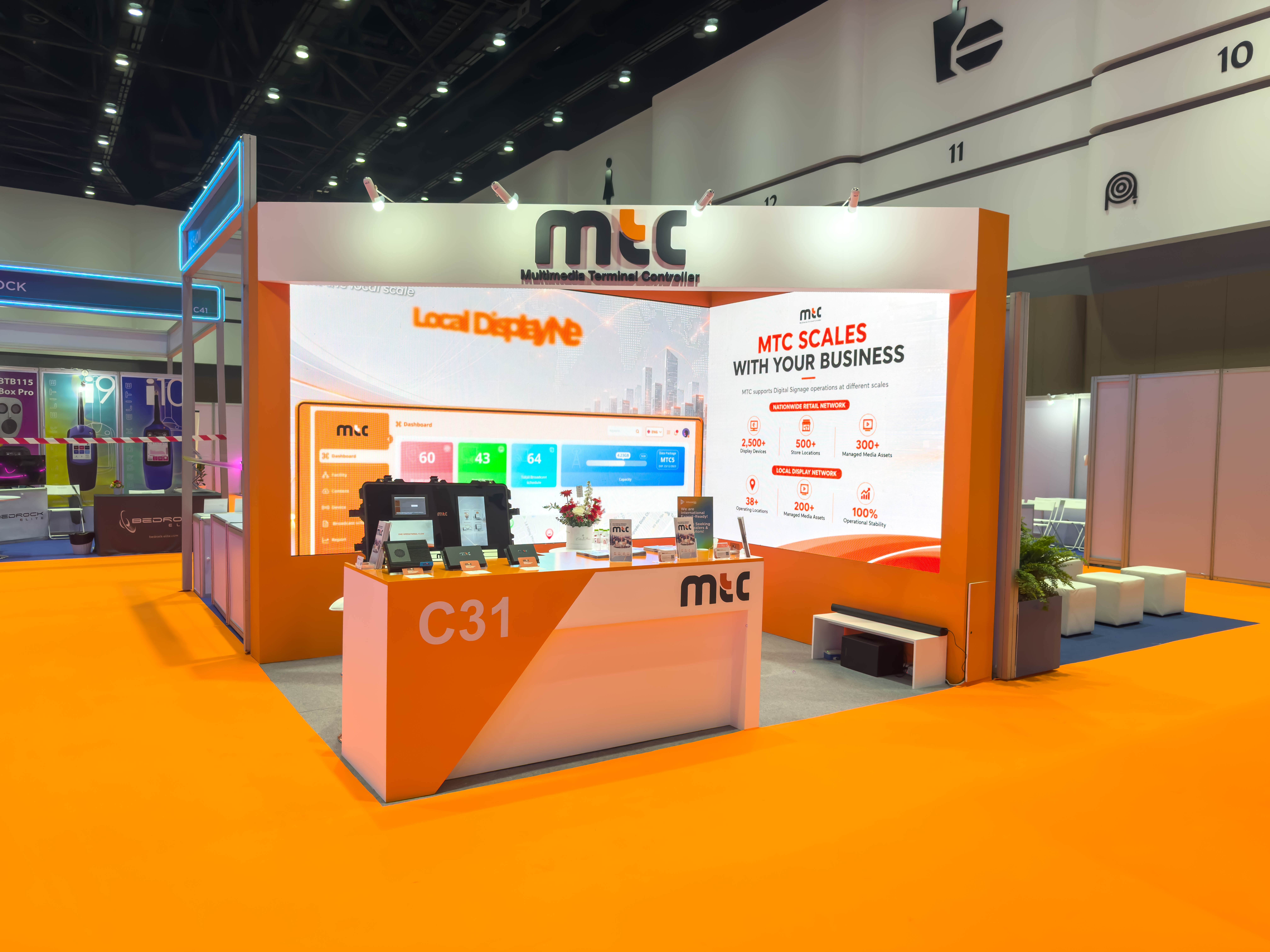



MULTIMEDIA TERMINAL CONTROLLER (MTC): CENTRALIZED CONTENT MANAGEMENT SOFTWARE SYSTEM
In today’s world, managing and delivering digital content effectively has become a key factor in helping enterprises stand out in a highly competitive market. As customer touchpoints continue to diversify, maintaining consistency and synchronization in messaging is an increasingly complex challenge. However, with the rapid advancement of technology, centralized digital content management systems have emerged as effective solutions, enabling organizations to optimize operations and enhance communication efficiency.
In the current landscape, enterprises face significant challenges in managing content across multiple platforms, locations, and devices. Updating messages manually on each screen not only consumes time and resources but also increases the risk of inconsistency, negatively impacting communication effectiveness. Therefore, an intelligent digital content management solution—capable of centralized control and distributed content delivery—has become an essential requirement.

The Limitations of Traditional Content Management
Although traditional methods of content management have long been used, they are increasingly inadequate for meeting the demands of today’s dynamic market.
Manual updates slow operations. Businesses must individually modify messages or visuals across screens, devices, and communication channels—a labor-intensive process that hinders real-time responsiveness, especially during fast-paced campaigns that require agility.
Disconnected content leads to inconsistencies Customers may encounter conflicting information when engaging with a brand across different touchpoints—whether in-store or through digital platforms—weakening brand clarity and trust.
High operational costs & inefficiencies. The resources needed for manual upkeep are substantial, and human errors further complicate performance tracking. Without a centralized system to collect and analyze data, businesses struggle to measure the success of their campaigns effectively.
The Essential Shift Toward New Technology Solutions
Traditional content management methods, although long established, are increasingly revealing limitations in meeting modern market demands. One of the major challenges lies in manual content updates at individual devices or locations. This approach requires substantial effort and makes it difficult for organizations to respond quickly when content changes are needed.
Moreover, fragmented content management across platforms and locations often leads to inconsistency and loss of message uniformity. As deployment scales up to include multiple display points, managing content, devices, and playback performance becomes more complex, reducing overall control and coordination.
In addition, high operational costs, the risk of human error during updates, and the lack of centralized reporting and performance evaluation tools further demonstrate the inefficiency of traditional approaches.
KEY FEATURES OF MULTIMEDIA TERMINAL CONTROLLER (MTC)
CMS (Content Management System) – Centralized Management Platform
The CMS is the core platform of the Digital Signage system, enabling centralized management of deployment areas, information sources, display devices, news content, and system information on a single platform. The CMS also provides comprehensive reports on communication activities and content playback performance, supporting monitoring, evaluation, and decision-making.
Dashboard – Overall Monitoring and Visualization
The Dashboard provides a visual interface for real-time monitoring and statistical overview of key system information, including the number of deployment areas, display devices, news content, and overall system status. Administrators can quickly grasp the operational status of the entire system.
Area Management
The Area Management function supports managing all levels of deployment areas in a hierarchical structure. This serves as the foundation for system organization, user authorization, content distribution, and scheduling based on specific regions and management levels.
Information Source Management
The CMS enables centralized management of all information sources used for content creation, including media files, templates, and playlists. These resources are standardized, centrally stored, and can be flexibly reused during content editing and publishing.
Display Device Management
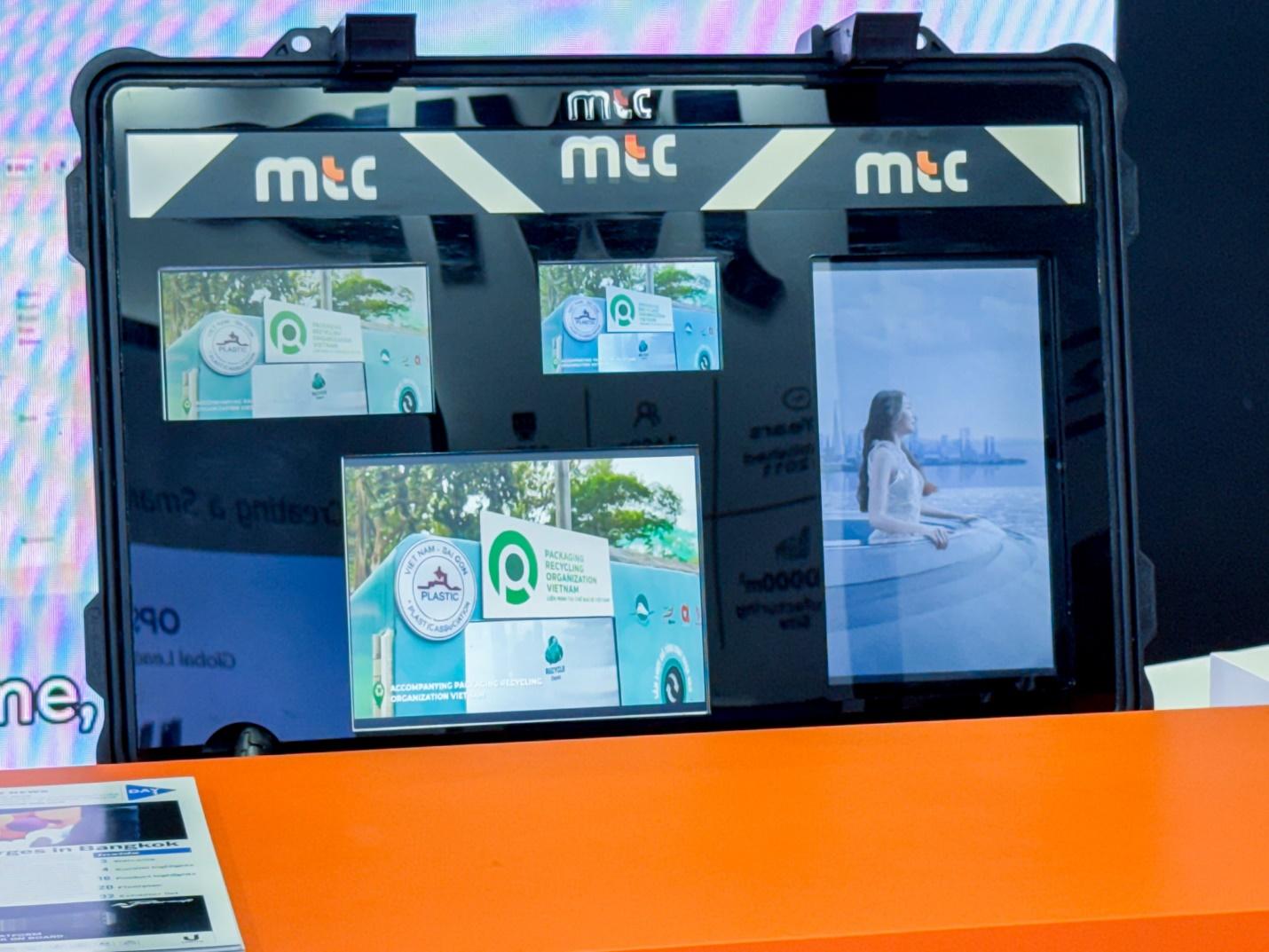
This function allows centralized management of all display devices deployed across different areas. Administrators can monitor device status in real time, group devices by area or function, and remotely monitor and control devices via Internet/3G/4G connections.
Content Management
The CMS supports the creation, editing, management, and monitoring of all content published on the system. Users can configure content, target devices or areas, and define playback schedules, while also tracking content status and playback performance.
System Administration and Security
The CMS provides comprehensive system administration capabilities, including user management, role-based access control, functional permissions, usage logs, and access monitoring. These mechanisms ensure content security, system safety, and stable operation.
Communication Activity and Performance Reporting
The system provides detailed reports on communication activities by area and content playback performance across devices. These reports support performance evaluation, content optimization, and operational efficiency improvement.
Download Application
The Download Application is installed on display devices and is responsible for connecting to the CMS to download content, schedules, and related data. Its asynchronous download mechanism optimizes bandwidth usage and ensures content is always prepared for playback.
Player Application
The Player Application is installed on display devices to present content to viewers according to schedules configured in the CMS. It uses pre-downloaded content to ensure stable playback even when network connectivity is unstable or temporarily unavailable.
Content (News)
Content refers to the information displayed on the signage devices, which is centrally created, managed, and scheduled through the CMS. Content is distributed and played synchronously across areas and devices based on predefined configurations.
Additionally, MTC’s advanced permission controls and multi-tiered user management enhance system security. Critical content is safeguarded based on user roles, minimizing risks of error or unauthorized access—an essential feature for large-scale deployments.
In essence, moving from fragmented management approaches to a dedicated technological platform like MTC not only streamlines operations but also strengthens brand consistency and professionalism. In a world where every second on screen is a branding opportunity, investing in a comprehensive digital content management system is a strategic move toward long-term success.
The Future of Digital Content Management
As technology continues to evolve, digital content management will play an increasingly vital role in operational strategy and brand communications. The future goes beyond information display—it embraces personalization, real-time responsiveness, and deep integration into customer journeys.
This isn’t just a technological shift—it’s a strategic leap forward that enables businesses to remain adaptive in an evolving market.
At the forefront of this transformation, Alta Software empowers enterprises through its Multimedia Terminal Controller (MTC)—a powerful, accessible, and scalable content management platform that optimizes operations and builds a smarter display ecosystem. In this digital-first age, screens don’t just show content—they deliver value.
Alta Software, with its Multimedia Terminal Controller (MTC) solution, is steadily turning that vision into reality. By delivering a modern, powerful, and easy-to-deploy digital display content management platform, Alta Software not only helps businesses optimize operational efficiency but also partners with them in shaping a smart display future—where every screen does more than simply show content; it delivers real value. MTC is a commercial product developed and provided by Alta Software. Organizations and businesses interested in deploying this Digital Signage solution are encouraged to contact Alta Software directly for consultation and purchase.
Contact Information
For consultation, pricing, or deployment of the Multimedia Terminal Controller (MTC) solution, please contact Alta Software:
-
Address: 86/33 Âu Cơ Street, Tân Hòa Ward, Ho Chi Minh City, Vietnam
-
Phone: +84 (028) 6653 3347
-
Email: support@alta.com.vn